TeX Forum
primeaxi45
Comprehensive Guide to Research Peptides Benefits Usage and Reconstitution
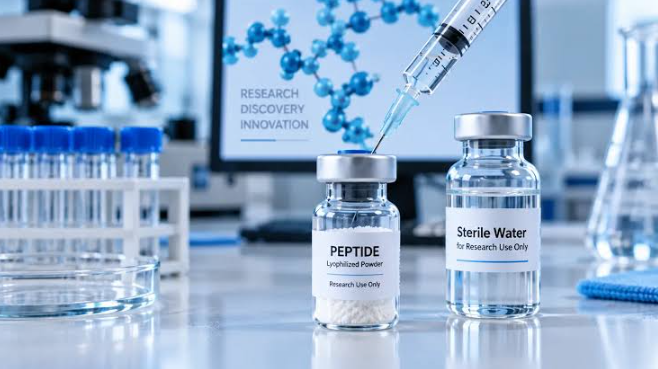
The scientific community continues to uncover the extensive potential of short-amino-acid chains known as what are peptides . As synthetic biology advances, research peptides have emerged as essential subjects in fields ranging from metabolic science to tissue engineering. Understanding how these compounds interact at a cellular level provides clear insights into their growing role in modern laboratory settings and experimental therapies.
What Are Peptides
Peptides are short chains of amino acids linked together by peptide bonds. They exist naturally in all living organisms, acting as biological signaling molecules that direct cellular activity. While proteins consist of long amino acid chains often exceeding fifty units, peptides contain smaller sequences, typically ranging from two to fifty amino acids.
Because of their smaller physical size, these structures can easily bind to surface receptors on various cells, sending precise signals that regulate essential functions. In laboratory research, synthetic peptides are designed to mimic or enhance these natural signals, allowing researchers to study specific metabolic, regenerative, or endocrine pathways.
The Diverse Benefits of Peptides
The growing interest in peptide research stems from the targeted nature of these compounds. Unlike broad spectrum agents, synthetic sequences can be tailored to interact with specific receptor pathways, producing clear outcomes in experimental models.
Key areas of benefit observed in research settings include:
- Targeted Receptor Activation: High affinity for specific cell receptors minimizes off target interactions.
- Cellular Regeneration: Promotion of collagen synthesis, cell migration, and blood vessel formation.
- Metabolic Optimization: Regulation of insulin sensitivity, blood sugar levels, and lipolysis.
- Preservation of Muscle Mass: Maintenance of lean structural tissue during calorie restricted states.
Research Peptides for Recovery and Tissue Repair
One of the most widely studied applications of peptide science involves accelerate healing. Peptides for recovery and tissue repair work by signaling the body to upregulate structural cell proliferation, lower local inflammatory responses, and build new micro blood vessels.
Popular research peptides in this category include BPC-157 and TB-500. BPC-157, derived from a protein found in human gastric juice, promotes tendon, ligament, and gut repair by stimulating angiogenic signaling. TB-500, a synthetic fragment of the protein thymosin beta-4, assists in cell migration and actin structure management, helping cellular matrix components organize rapidly after structural injury.
Peptides for Muscle Growth and Metabolic Function
In exercise physiology and skeletal muscle research, peptides for muscle growth play a major role in examining cellular signaling paths like the mammalian target of rapamycin. Compounds such as Growth Hormone Releasing Peptides work by prompting the pituitary gland to release endogenous growth hormone, which directly supports nitrogen retention and protein synthesis within skeletal muscle cells.
Simultaneously, researchers explore weight loss peptides to understand how metabolic processes can be optimized. Advanced compounds like retatrutide peptide represent a new tier of multi receptor agonists targeting GLP-1, GIP, and glucagon receptors. This triple agonist activity not only suppresses appetite and slows gastric emptying but also elevates energy expenditure, making it a critical focus in contemporary metabolic research.
The Role of Peptide Therapy and Supplements
The term peptide therapy refers to the medical or scientific application of specific peptides to restore balance, optimize biological functions, or address targeted degenerative conditions. Clinical investigations cover hormone modulation, immune system support, and organ restoration.
In the broader context of biohacking supplements, peptides are viewed as next-generation compounds that offer far greater precision than traditional dietary nutrients. By directly instructing cellular machinery to optimize function, these sequence-based solutions help shape new paradigms in longevity research and human performance science.
How to Reconstitute Peptides Step by Step
Most research peptides are distributed as lyophilized (freeze-dried) powders to ensure long-term stability during shipping and storage. Before any laboratory assessment can occur, researchers must understand how to reconstitute peptides correctly to preserve their delicate molecular structure.
Follow these primary guidelines for proper reconstitution:
- Gather Supplies: You will need the lyophilized peptide vial, a vial of bacteriostatic water (water containing 0.9 percent benzyl alcohol to prevent bacterial growth), sterile alcohol prep pads, and a sterile syringe.
- Clean the Vials: Wipe the rubber stoppers of both the bacteriostatic water vial and the peptide vial with an alcohol swab and allow them to air dry completely.
- Draw the Diluent: Pull the desired volume of bacteriostatic water into your sterile syringe, taking care not to touch the needle tip.
- Slowly Inject: Insert the needle through the rubber stopper of the peptide vial at an angle. Gently depress the plunger, allowing the water to drip down the glass wall of the vial rather than spraying directly onto the delicate powder.
- Swirl to Dissolve: Gently roll or swirl the vial between your fingers until the powder completely dissolves into a clear liquid. Never shake the vial, as violent agitation can break down the peptide bonds.
- Storage: Place the reconstituted liquid peptide into a temperature controlled refrigerator, typically kept between 2 and 8 degrees Celsius, to maintain potency.
Conclusion
The evolution of benefits of peptides research highlights a significant shift toward targeted cellular signaling and precise biological interventions. Whether investigating retatrutide peptide for metabolic health, utilizing cellular repair sequences for tissue recovery, or mastering correct laboratory reconstitution techniques, understanding these compounds is vital for advancing modern bioscientific applications. As purity and manufacturing standards continue to refine through dedicated providers like Prime Axis Peptides, researchers gain reliable tools to unlock the next generation of therapeutic and physiological discoveries.