TeX Forum
game
When Stopping Is Harder Than Pushing On: The Psychology Behind Blackjack Decisions
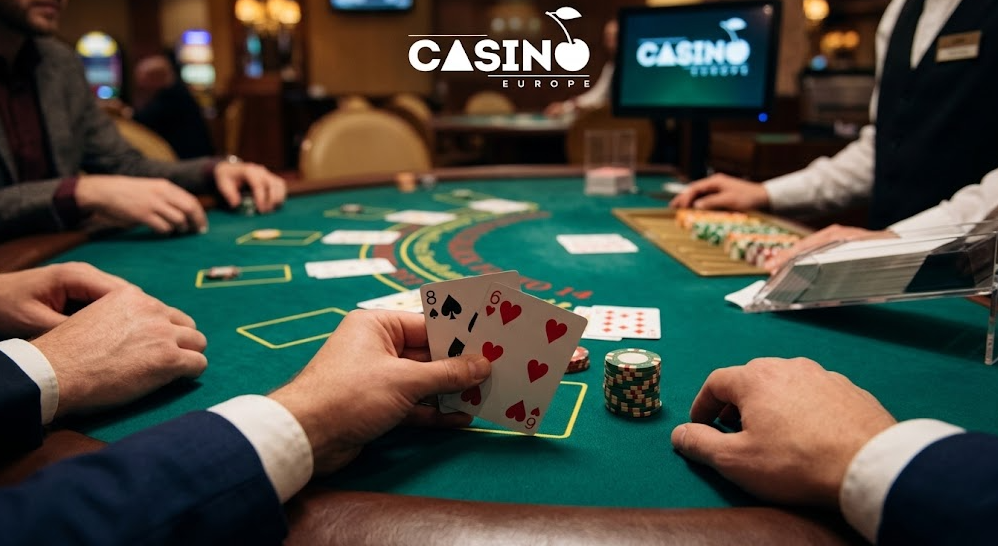
Every regular at the green felt knows that sickening feeling when a simple decision suddenly feels like a heavy weight. When you are sitting at a blackjack casino online, the mathematical strategy might look crystal clear on paper, yet your brain constantly tries to hijack your choices. Choosing to stand on a tough Hard 16 against a dealer's 7 requires a level of discipline that flies right in the face of human impulse. Knowing when to walk away or simply hit 'stand' often turns out to be a much tougher battle than placing the next wager.
Brain Triggers at the Felt: Why We Overplay Our Hand
The human mind is hardwired to seek patterns and chase back losses, two traits that work directly against you at the gaming table. Cognitive biases quietly take the wheel, convincing you that a cold streak is bound to flip or that a hot hand will run forever. Cognitive psychology identifies several mental traps that subtly sabotage your session:
- The Gambler's Fallacy: Believing past independent card draws dictate future hands, leading to unwarranted risky bets.
- Loss Aversion: The intense pain of losing money makes players take reckless risks just to get back to even.
- The Illusion of Control: Feeling like personal rituals or side bets can sway pure statistical probabilities.
- Action Bias: Feeling an overwhelming urge to do something (like taking another hit) rather than sitting tight on a passive stand.
Emotions vs Mathematics: Managing the Inner Tug-of-War
Strategic success depends on separating logic from emotion. While math dictates precise moves based on dealer upcards and running totals, raw emotion pushes for quick thrill seeking or desperate revenge betting. Recognizing these emotional states before they drain your bankroll is essential for long-term consistency.
| Psychological State | Common Behavioral Trigger | Strategic Impact | Correct Mental Adjustment |
|---|---|---|---|
| Tilting | Suffering several bad beats or dealer 21s in a row | Abandoning basic strategy, over-betting hand sizes | Take an immediate break; step away from the table |
| Overconfidence | Riding a short winning streak | Ignoring risk limits and doubling down carelessly | Stick to fixed unit sizing regardless of recent wins |
| Hesitation | Facing a high-stakes hit on a Hard 12 or 13 | Making fearful stands on weak hands, giving up edge | Trust the mathematical chart over gut instincts |
Breaking the Cycle of Chase Betting
Chasing losses is the fastest shortcut to a blown bankroll. When a session takes a bad turn, the brain naturally craves a quick fix to wipe out the deficit in a single deal. Combatting this urge requires strict predetermined stop-loss boundaries. Treat every hand as a fresh, independent event that has zero memory of past wins or losses.
Building Mental Resilience for Long-Term Strategy
Mastering table psychology isn't about ignoring risk; it's about making peace with variance. Accepting that short-term swings are an unavoidable part of the game removes the urge to force outcomes. The strongest players treat discipline as their primary skill, knowing that sticking to a plan under pressure is what separates true strategy from mindless gambling.